Nano Banana Prompt Guide: How to Write Better AI Prompts for Stunning Images

PicYou
Dec 16, 2025

AI image generation has quickly become one of the most exciting frontiers in content creation. At the heart of every great AI-generated image is a well-crafted prompt — a set of instructions that tells the model exactly what you want it to produce. The Nano Banana prompt technique is gaining traction among creators because it emphasizes precision, structure, and detail, leading to more consistent, high-quality AI outputs. Whether you’re an artist, marketer, or content creator, mastering Nano Banana prompts will unlock immense creative potential.
In this guide, we’ll explain how to write better prompts for Nano Banana, share practical techniques and examples, and also explore how tools like PicYou AI can complement your workflow to produce stunning visuals efficiently.
What Is a Nano Banana Prompt?
A Nano Banana prompt is a detailed natural-language instruction designed to guide an AI image generator precisely. Unlike vague or simplistic instructions, Nano Banana prompts include clear descriptions of subject, context, style, composition, lighting, and other important attributes.
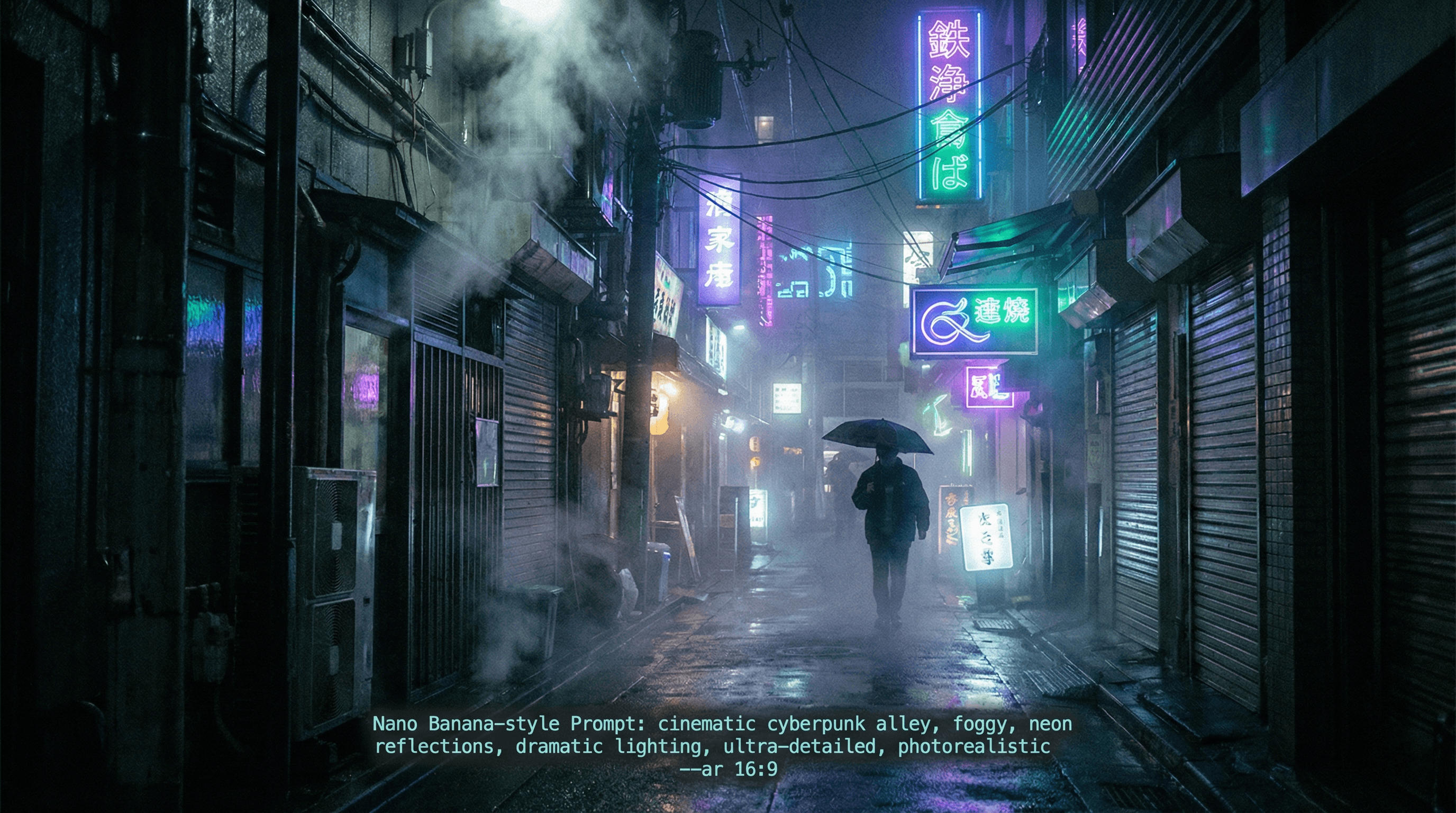
The key idea is to leave no ambiguity and give the AI all the information it needs to generate the image you envision. A structured Nano Banana prompt typically includes:
Subject (what you want in the image)
Context or environment (where the subject is located)
Style (photorealistic, illustration, cinematic, etc.)
Composition (camera angle, shot type)
Lighting and mood
Details and constraints (colors, materials, focus, etc.)
Negative prompts (what you don’t want included)
This structure helps reduce ambiguity and improves the likelihood of generating stunning images.
Why Prompt Engineering Matters
In AI image generation, the quality of the output depends heavily on your prompt. A vague prompt often produces generic or unexpected results, while a detailed Nano Banana prompt can guide the model toward a specific vision. Prompt engineering is essentially the art and science of writing instructions that accurately express your intent and leverage the AI’s capabilities. Effective prompt writing can:
Reduce unwanted artifacts (e.g., distortion, incorrect objects)
Increase artistic control (lighting, style, color harmony)
Improve consistency across multiple generations
Help the model understand complex visual cues
For instance, a basic prompt like “a cat portrait” yields very different results from a structured Nano Banana prompt such as:
“Photorealistic portrait of a fluffy Maine Coon cat sitting on a sunlit windowsill, soft warm lighting, 85mm lens shallow depth of field, crisp detail, natural fur texture, gentle backlight.”
The latter produces an image far closer to a professional photograph because it includes subject, lighting, style, lens information, and quality descriptors.
Nano Banana Prompt Structure in Practice
Here’s a practical breakdown of how to structure a Nano Banana prompt step by step:
1. Subject Description
First describe the main subject: what it is, how it looks, and any characteristics that matter. Think about physical traits, clothing, emotion, or action.
Example:
“A vintage red motorcycle parked beside a rustic barn”
2. Environment and Context
Add details about the setting — this helps define the mood and composition.
Example:
“at golden hour in an open field with wildflowers wafting in the breeze”
3. Style and Medium
Define the intended visual style — photorealistic, 3D render, watercolor, anime, etc.
Example:
“hyper-realistic cinematic style with soft lens flare and depth of field”
4. Composition and Camera Information
Specify aspects like angle, shot type, framing, and camera choices.
Example:
“wide-angle view, low perspective, dynamic focal balance”
5. Lighting and Color
Lighting choices dramatically affect image mood. Describe desired lighting conditions.
Example:
“warm golden sunlight with soft shadows and slight haze”
6. Details & Textures
Include fine details that elevate realism.
Example:
“rusted metal details, glossy paint highlights, grass blades in sharp detail”
7. Negative Prompts
Specify what you don’t want to avoid common errors: blurry background, watermark, text overlays, extra limbs, etc.
Example:
“negative prompt: blurry, watermarks, text, low resolution”
Putting all together yields a highly effective prompt for stunning output.
Examples of Effective Nano Banana Prompts
Here are structured prompt examples that follow the Nano Banana framework:
A. Product Shot Prompt
“Top-down studio shot of a sleek yellow wireless earbud on a glossy banana leaf, soft studio lighting, ultra-clean background, 4K resolution, sharp detail, high contrast.”
B. Stylized Character Prompt
“Anime style heroic girl holding a Nano Banana badge, dynamic pose, vibrant colors, dramatic backlight, crisp line art, high quality.”
C. Environment Concept Prompt
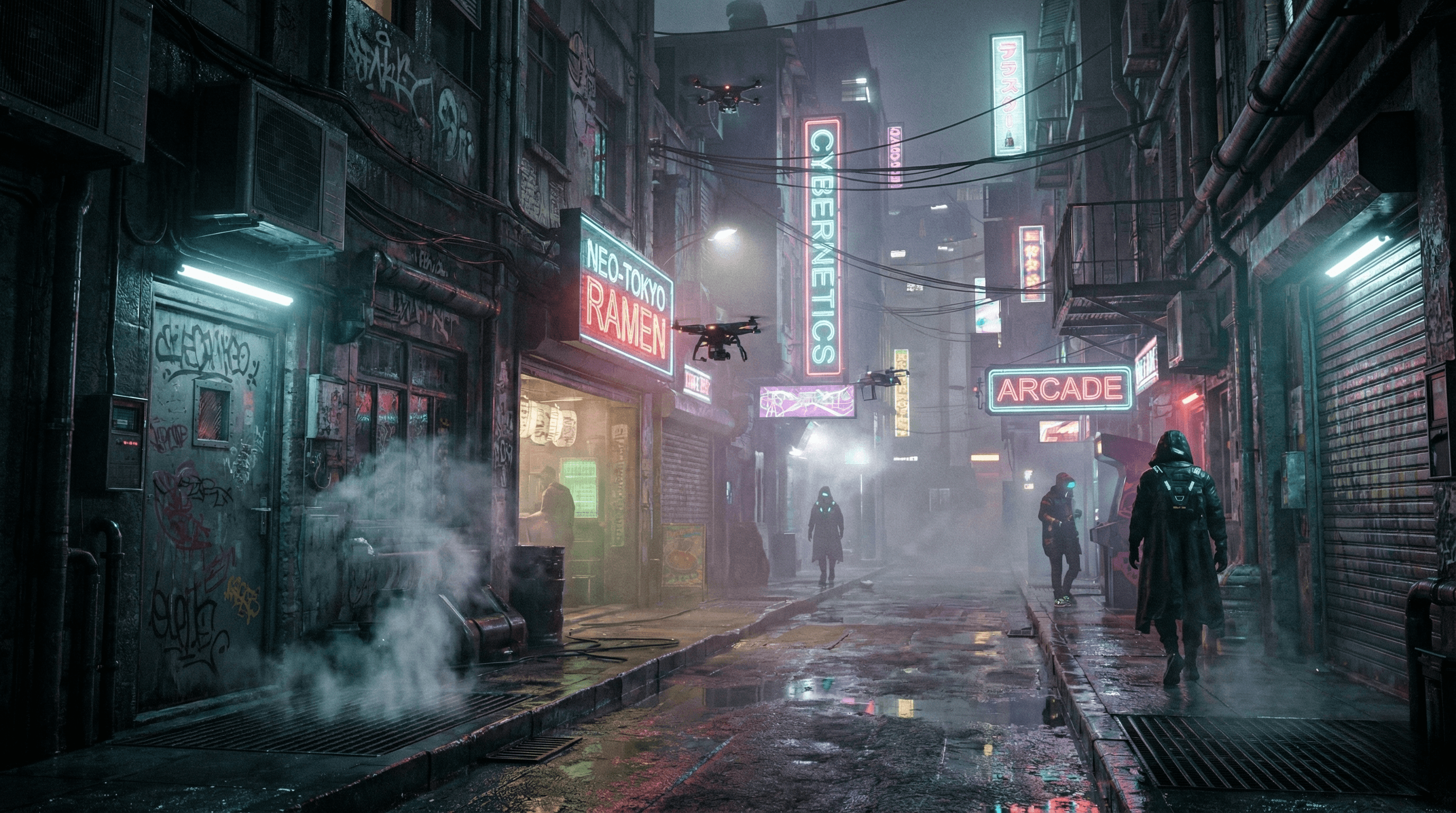
“Foggy cyberpunk alley at night, neon signs reflecting on wet pavement, scattered steam, cinematic wide shot, volumetric light, moody atmosphere, high detail.”
These examples show how specific and richly detailed prompts can guide AI models toward the visual results you want.
Tips & Best Practices for Better Prompts
Here are practical recommendations to maximize Nano Banana prompt effectiveness:
Be Specific and Detailed
Avoid abstract or generic terms like “beautiful” or “cool.” Instead, include specifics — lighting type, camera angles, mood descriptors, materials, and textures.
Use Negative Prompts
Including a negative prompt reduces common AI image faults such as unnatural limbs, distortions, or watermarks.
Test and Iterate
Try variations on the same prompt to see which phrasing yields the best results. Small changes like lens type or lighting direction can significantly affect outcomes.
Document Your Prompts
Keeping a library of successful prompts makes future work faster and more consistent.
How PicYou AI Complements Nano Banana Prompt Techniques
While Nano Banana focuses on image-generation prompt engineering, tools like PicYou AI offer complementary workflows that enhance your overall creative output.
PicYou AI provides an intuitive online text-to-image interface that is ideal for initial visual concepts — especially for creators who want to quickly convert ideas into visual assets. Unlike tools that only focus on editing or image-to-image transformations, PicYou AI lets you build visuals from scratch based on your prompts, then edit or stylize them further. This makes PicYou AI an excellent companion tool when you leverage Nano Banana prompt techniques: you can use Nano Banana prompts to refine creative vision and then use PicYou AI to generate polished visuals efficiently.
By combining structured prompt engineering (like Nano Banana’s) with accessible tools like PicYou AI:
You get rapid prototyping for ideas
You ensure visual consistency across multiple images
You streamline creative pipelines for social, marketing, or art projects
This dual approach lets both beginners and advanced users achieve stunning AI-generated images with higher precision and artistic control.
Conclusion
Mastering the Nano Banana prompt framework is a powerful way to produce stunning, high-quality images from AI. By structuring prompts with clear subject descriptions, context, style, lighting, details, composition, and even negative constraints, you guide the model toward exactly the result you want.
Pairing this knowledge with versatile tools like PicYou AI empowers creators to generate visuals quickly and with greater creative freedom. Prompts that clearly express intent enable both novice and professional artists to harness the full potential of modern AI image generators — producing results that are not only accurate but beautiful and unique.
Whether you’re experimenting with illustrations, marketing visuals, or concept art, understanding prompt engineering remains the key to unlocking better AI-generated images. Start writing smarter prompts today and watch your creative visions come alive.
People Also Read

Free Prompt List for Nano Banana AI Image Generator
If you’re searching for a free prompt list for Nano Banana AI Image Generator
Learn More
How to Use a Prompt List for Nano Banana to Generate High-Quality Images
the quality of your prompts directly determines the quality of your images.
Learn More

Best Prompt List for Nano Banana in 2025
In this article, we’ll explore the best prompt list for Nano Banana in 2025, explain why prompt
Learn More