Top Nano Banana Prompt Examples to Generate Amazing AI Visuals in 2026

PicYou
Dec 16, 2025

Artificial intelligence image generation has become a defining creative tool in 2026. Among the most talked-about techniques today are Nano Banana prompts, a prompt-engineering style that helps users achieve highly specific, stunning AI visuals by carefully structuring natural language instructions. Whether you’re an artist, designer, marketer, or hobbyist exploring AI creativity, mastering Nano Banana prompts can elevate your output significantly.
In this article, we’ll explore top Nano Banana prompt examples, explain why they work, and discuss how tools like PicYou AI can complement your workflow to produce jaw-dropping images. Let’s dive in.
What Is a Nano Banana Prompt?
At its core, a Nano Banana prompt is about providing detailed, structured instructions to an AI—such as a next-generation image generator like Google’s Nano Banana (often associated with Gemini’s “Flash Image” models)—so that the output aligns closely with your creative intent. Compared to generic prompts, Nano Banana prompts make sure you specify subject, environment, style, lighting, composition, and even what not to include.
Unlike simple text prompts, Nano Banana prompts encourage you to include multiple descriptive layers — such as camera settings, mood, material textures, and scene context — to produce consistent, repeatable results.
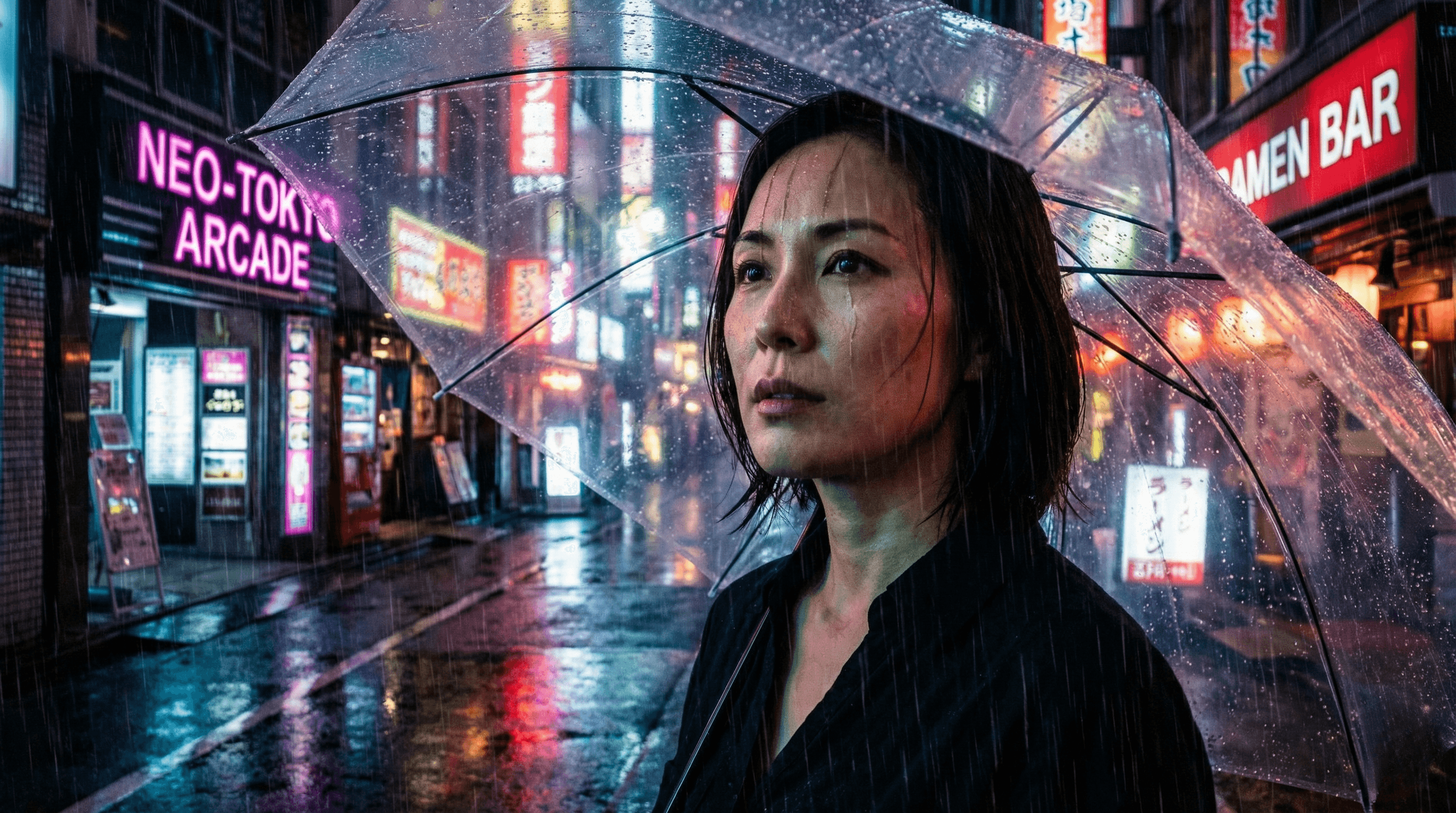
How Nano Banana Prompt Structure Works
Experts often recommend a structured approach when crafting Nano Banana prompts, focusing on key components:
Subject: What is in the image? (characters, objects, animals, etc.)
Context/Setting: Where and when is it happening? (environment, weather, time of day)
Style/Art Direction: Photorealistic, illustration, 3D render, etc.
Composition/Camera: Angle, distance, lens type, depth of field.
Lighting: Natural, dramatic, neon, soft shadow, etc.
Details: Textures, colors, motion, accessories.
Negative Prompts: What to avoid (e.g., “no text overlay,” “no watermark”).
This method ensures your prompts are actionable and reduces ambiguity — which is often the reason generic prompts produce unpredictable results.
Top Nano Banana Prompt Examples for 2026
Here are practical, high-impact Nano Banana prompt examples you can try today. These examples can be adapted straight into advanced AI generators supporting Nano Banana-style prompting or similar multimodal systems.
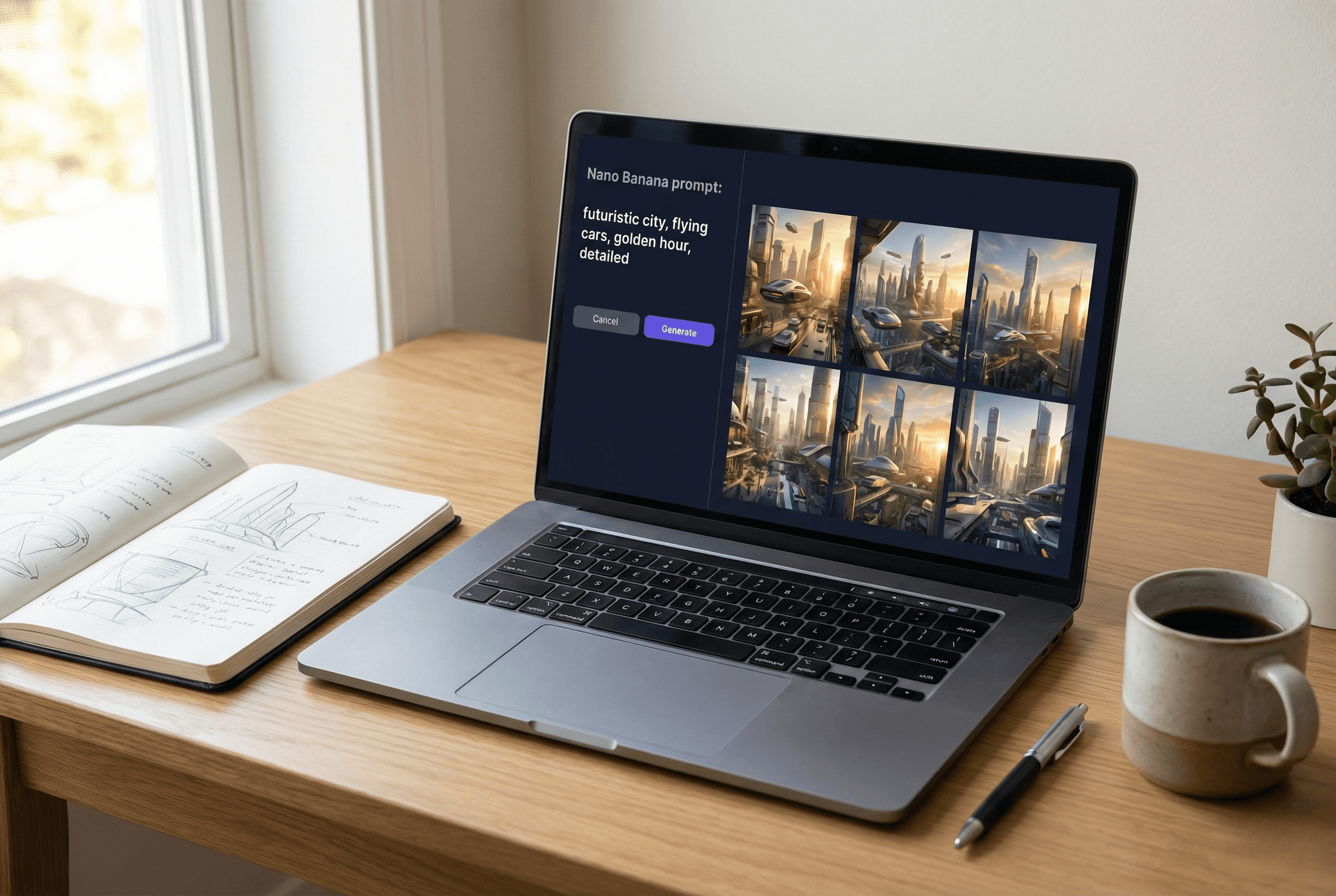
1. Cinematic Portrait in Urban Nightscape
This prompt specifies subject, setting, lighting, camera, and quality expectations — ensuring sharper, more realistic results than a simple “woman under neon lights.”
2. Product Showcase with Studio Lighting
Perfect for marketing or portfolio assets, this prompt guides the model to produce a commercial-grade product image with precise lighting and environment.
3. Fantasy Landscape Illustration
Switching to an illustration style highlights the flexibility of Nano Banana prompting — this isn’t limited to photorealism but also applies to abstract and artistic outputs.
4. Character Concept Art
This example shows how Nano Banana prompts can produce complex character designs with stylized details and specific artistic direction, ideal for concept art.
5. Educational Infographic Illustration
Not all prompts are about realism — this one shows how to structure prompts for informational visuals with clear labeling and simplified design.
Tips to Make Nano Banana Prompts Even Better
Here are a few best practices when writing your Nano Banana prompts:
Be Specific but Clear
Avoid vague descriptors like “beautiful” or “cool.” Instead, use tangible attributes like “golden hour lighting,” “macro focus,” or “matte texture.”
Use Negative Prompts
Negative prompts (e.g., “no text, no watermark, no logo”) help the model avoid unwanted artifacts.
Iterate Small Changes
Try slight adjustments — changing lighting, lens type, or composition — to optimize results without overhauling the entire prompt.
Context Matters
Describing environment or secondary elements helps align output with creative intent (e.g., “wet pavement reflections” versus just “city street”).
How Tools Like PicYou AI Help Beyond Nano Banana Prompts
While Nano Banana prompting excels when you want precise control over generated visuals, tools such as PicYou AI complement this approach by providing a user-friendly text-to-image generation interface that works well with detailed prompts.
PicYou AI allows creators to:
Input rich natural-language prompts with detailed descriptors and get high-quality output without complex setup.
Combine Nano Banana prompt techniques with PicYou AI’s built-in style options (e.g., photorealistic, illustration, cinematic).
Experiment by adding elements like effects, frames, and layers that can amplify the visual storytelling already encoded by a Nano Banana prompt.
For many creators — especially beginners and small teams — PicYou AI offers an accessible and powerful way to bring structured prompts to life without requiring deep technical expertise.
Real-World Prompt Ideas to Try
Here are a few ready-to-use prompt concepts to spark your creativity:
Sci-Fi Cityscape Concept Render:
“Wide panoramic sci-fi cityscape at sunset, flying vehicles, neon holo-ads, reflective water canals, ultra-high detail landscape, cinematic framing.”Product Branding Visual:
“Floating 3D product render of a limited-edition sneaker, brushed metal base, dramatic shadows, simple studio backdrop, sharp 4k focus, clean aesthetics.”Character Modern Portrait:
“Portrait of an elderly artisan with textured skin, warm indoor light, shallow depth of field, high-resolution character study.”Infographic Series:
“Step-by-step infographic for healthy eating: fruits, proteins, grains, color blocks, clear labels, vector minimalism.”
Summary
Nano Banana prompt engineering is a powerful method for generating cinematic, photorealistic, and artistically styled AI visuals through highly detailed natural-language prompts. By structuring prompts around subject, environment, style, composition, and lighting — and using negative constraints when needed — creators can achieve significantly better results than with vague instructions.
Pairing this approach with practical tools like PicYou AI lets you take advantage of structured prompts while enjoying easy accessibility and workflow enhancements — making stunning AI visual production more approachable in 2026 than ever before.
People Also Read

Nano Banana Prompt Guide: How to Write Better AI Prompts for Stunning Images
The Nano Banana prompt technique is gaining traction among creators because it emphasizes precision
Learn More
How to Use a Prompt List for Nano Banana to Generate High-Quality Images
the quality of your prompts directly determines the quality of your images.
Learn More

Prompt List for Nano Banana: 100+ Ready-to-Use Prompts for AI Image Generation
Prompt List for Nano Banana: 100+ Ready-to-Use Prompts for AI Image Generation
Learn More